
Monitoring and optimisation after commissioning
With a photovoltaic system, the work does not stop at installation. The data from the first months shows how the installation behaves in real life and allows adjustments: battery settings, scheduling certain loads or spotting an output problem.
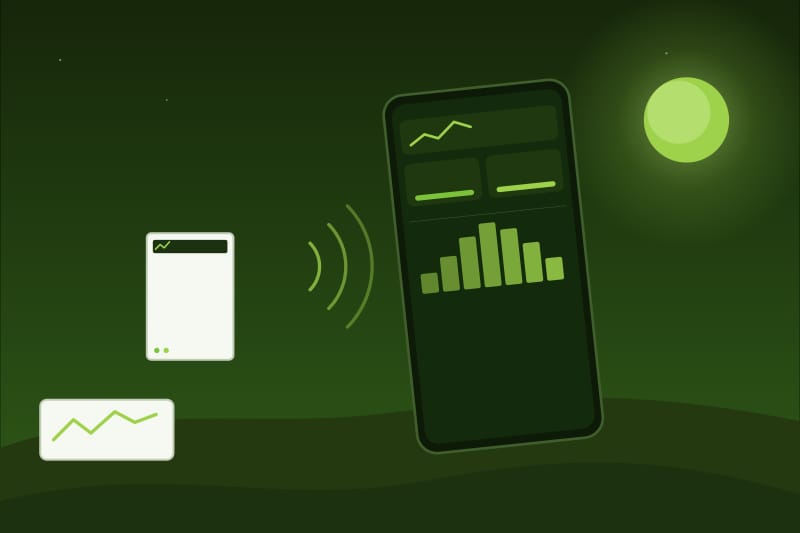
What we track
- output compared with what we expect for the season;
- energy drawn from the grid and energy sent to the grid;
- how the battery behaves: how much it charges, how much it discharges, what minimum level is kept;
- the alerts and errors reported by the inverter.
What we can adjust
Inverter and battery settings, charging priorities, time windows for large loads, reserve thresholds for backup. The adjustments depend on the equipment and are made within the limits the manufacturer allows.
When it makes sense
After the first few weeks of operation, when the season changes, or after changes in the house: a new appliance, a heat pump, an electric car. If you have monitoring from your phone, the data is already available.
Limits
Optimisation does not make up for a wrongly sized system and does not promise any particular savings. It improves the way energy is used within a given setup. If the data shows that other equipment is needed, we tell you openly.
See also
Useful articles
Frequently asked questions
Do I need monitoring to benefit from optimisation?
The data helps a great deal. Without it, optimisation is based on the information available from the inverter and from the bills.
How often should a system be checked?
It is a good idea to follow the output regularly and to have a check when the season changes. The exact frequency depends on the equipment and on the installation.
Shall we talk about your project?
Tell us your town and roughly how much you use. We will suggest the next steps.